The Role of Escrow in a P2P Trading Platform: Why It Matters
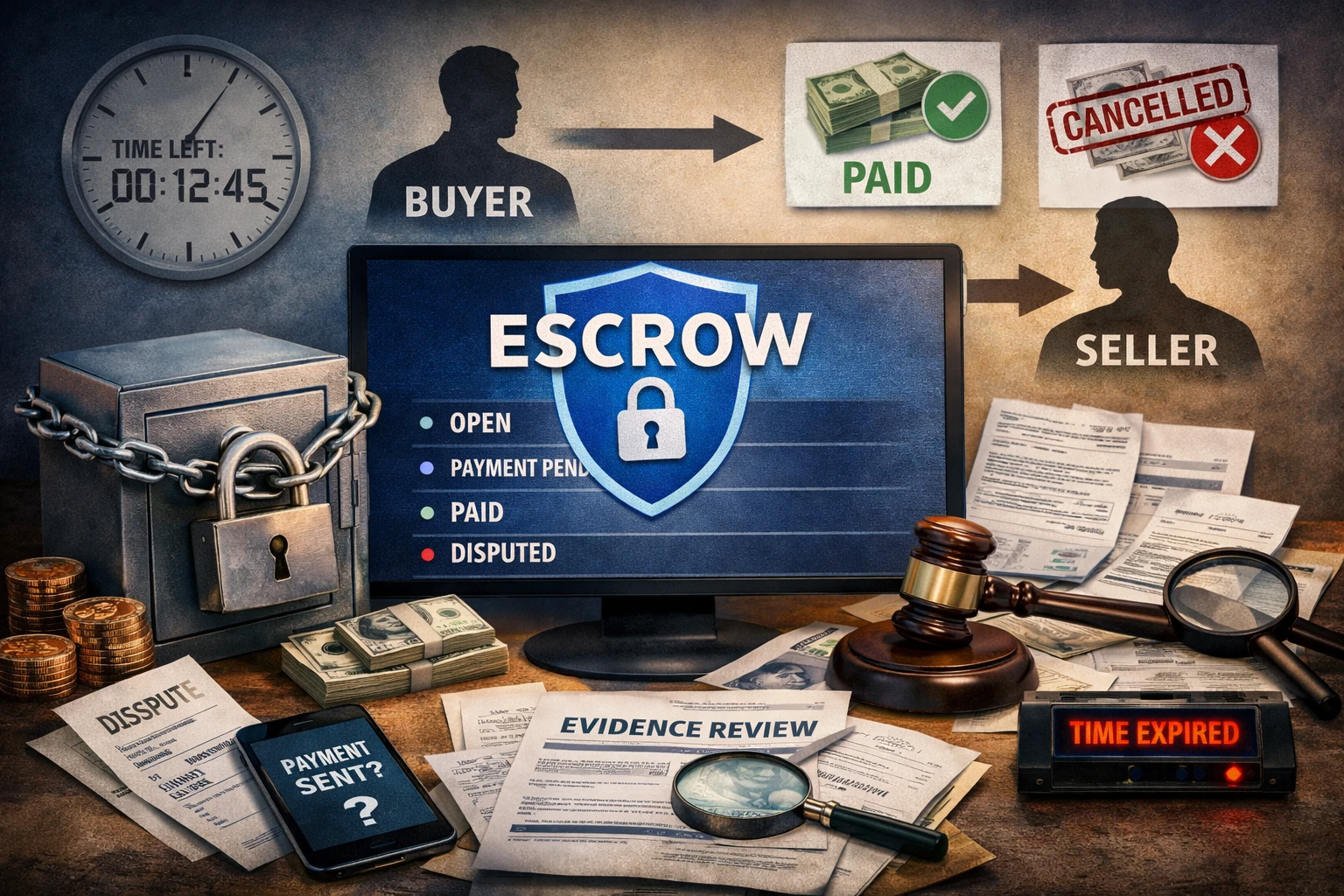
In a typical p2p trading platform workflow, escrow means the seller’s asset is locked the moment a trade is opened. That lock prevents the seller from moving the asset elsewhere while the buyer completes payment, and it prevents the buyer from paying into a deal that can be cancelled unilaterally. In 2026, escrow remains one of the most practical ways to lower counterparty risk without forcing users to surrender long-term control of their funds.
A well-designed escrow system on a p2p trading platform does two things at once: it reduces counterparty risk and it reduces ambiguity. Counterparty risk is the obvious problem—one side may try to take value without delivering. Ambiguity is quieter but just as costly: unclear time limits, vague “payment sent” confirmations, or mismatched payment instructions can trigger disputes even when neither party intends fraud. Strong escrow design works together with strict trade states (opened, payment pending, paid, completed, disputed) so the platform can enforce actions in the right order and prevent improvised “side agreements” that are hard to verify.
The practical value of escrow becomes clearest in common conflict scenarios. If a buyer marks “paid” but the seller does not receive funds, escrow keeps the asset locked while evidence is reviewed. If a seller attempts to pressure the buyer to cancel after receiving payment, escrow blocks asset release until platform conditions are satisfied. A mature p2p trading platform also uses timers: if payment is not confirmed within the agreed window, the trade can expire and the asset returns to the seller automatically. These timers reduce stalling tactics and give both parties a predictable timeline.
Escrow is especially important because payment rails are not equal. Bank transfers, instant payments, wallet transfers, and cash deposits each have different confirmation signals and different fraud patterns. Fake “payment screenshots” or spoofed SMS notifications can be used to rush a seller into releasing assets. Escrow counteracts this by enforcing a simple rule: release happens only after verifiable receipt, not after a message that merely looks convincing. It also supports clearer rules around risky behaviours such as third-party payments, split payments, or payment notes that can create compliance issues.
Dispute handling is where escrow becomes more than a lock. When a dispute is opened, the platform can freeze the trade state, preserve logs, and require proof—bank references, timestamps, receipts, and the in-platform chat record. Moderators can then apply predefined rules: what counts as acceptable evidence, how to treat pending bank transfers, and which party failed to follow instructions. On a well-governed p2p trading platform, outcomes are predictable because decisions are anchored in documented actions rather than pressure, urgency, or personal persuasion.
Users can evaluate escrow quality through transparency. A reliable platform explains when escrow starts, how long it can last, what triggers an automatic cancellation, and what evidence is requested in disputes. If the rules are hidden or constantly shifting, escrow loses its value because users cannot align their actions with the platform’s decision criteria. That is why a dependable p2p trading platform treats escrow as a governance system, not a marketing feature—and updates those rules in a way users can actually follow.
At the same time, escrow is not a magic shield. Users can still take unnecessary risks by accepting unusual payment methods, ignoring red flags in a counterparty’s history, or moving communication off-platform, where evidence cannot be verified. The difference is that escrow reduces damage during the payment phase by preventing automatic loss of the asset before review. In 2026, the strongest models integrate escrow with reputation signals, risk flags, and clear warnings so users are guided toward safer decisions without losing the flexibility that makes peer-to-peer trading useful.
In short, escrow is the stabilising core of peer-to-peer trading. When rules are clear, timers are fair, and evidence standards are consistent, escrow transforms the p2p trading platform from a marketplace of promises into a system where trust is earned, enforced, and repeatable.